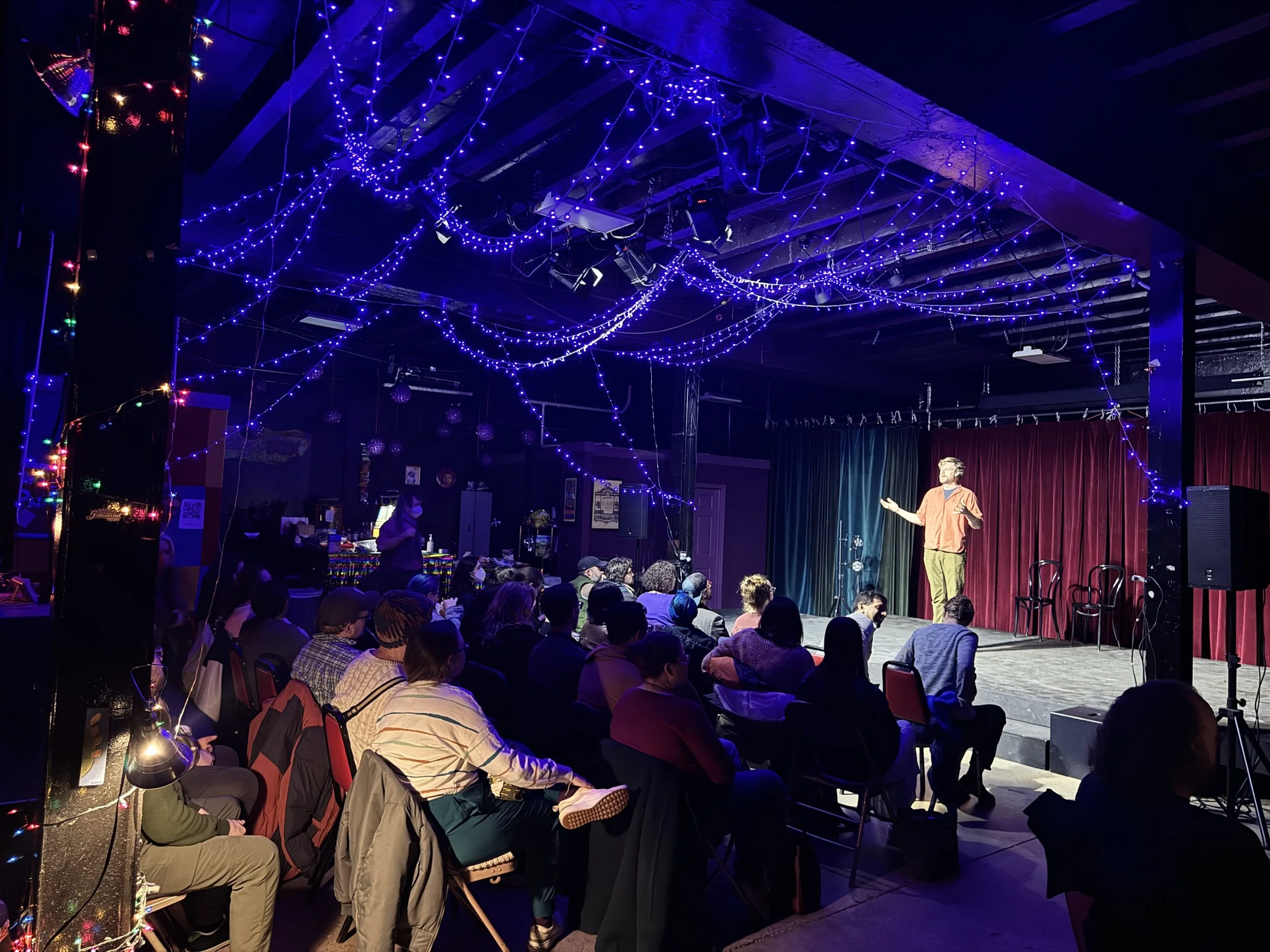
Join the 120+ people who have taken a class with me at the Glitterbox Theater in West Homestead.
Advanced Longform Improv:
The Deconstruction
8 weeks + class show
The goal of the class is to use that form to strengthen and isolate different improv muscles: grounded two-person scene work, heightened absurd character-driven matching scenes, grounded/absurd game-play, and a fast-paced, call-back-heavy run. You'll finish the class with more awareness of how to activate and use these muscles in all your improv play.
Monday nights, starting September 28
[sold out]
PREVIOUSLY OFFERED
Decon 2.0
a performance class
4 classes + 4 shows
For people who have taken the Deconstruction class, this class prioritizes performing the form for an audience. We spend four weeks practicing the form, and then four weeks performing it in a public show with another guest act on the bill. It’s an intensive in building a sense of ensemble and feeling the shift from serving the form to the form serving the group.

Intro to Longform Improv
8 weeks + class showcase
If you've been wanting to try out improv, or if you did improv a long time ago and want to get back into it, this class is for you. In this playful and joyful learning laboratory, you'll practice the skills of collaborating on stage with no props, costumes, or script: just you and your scene partner creating something out of nothing together.
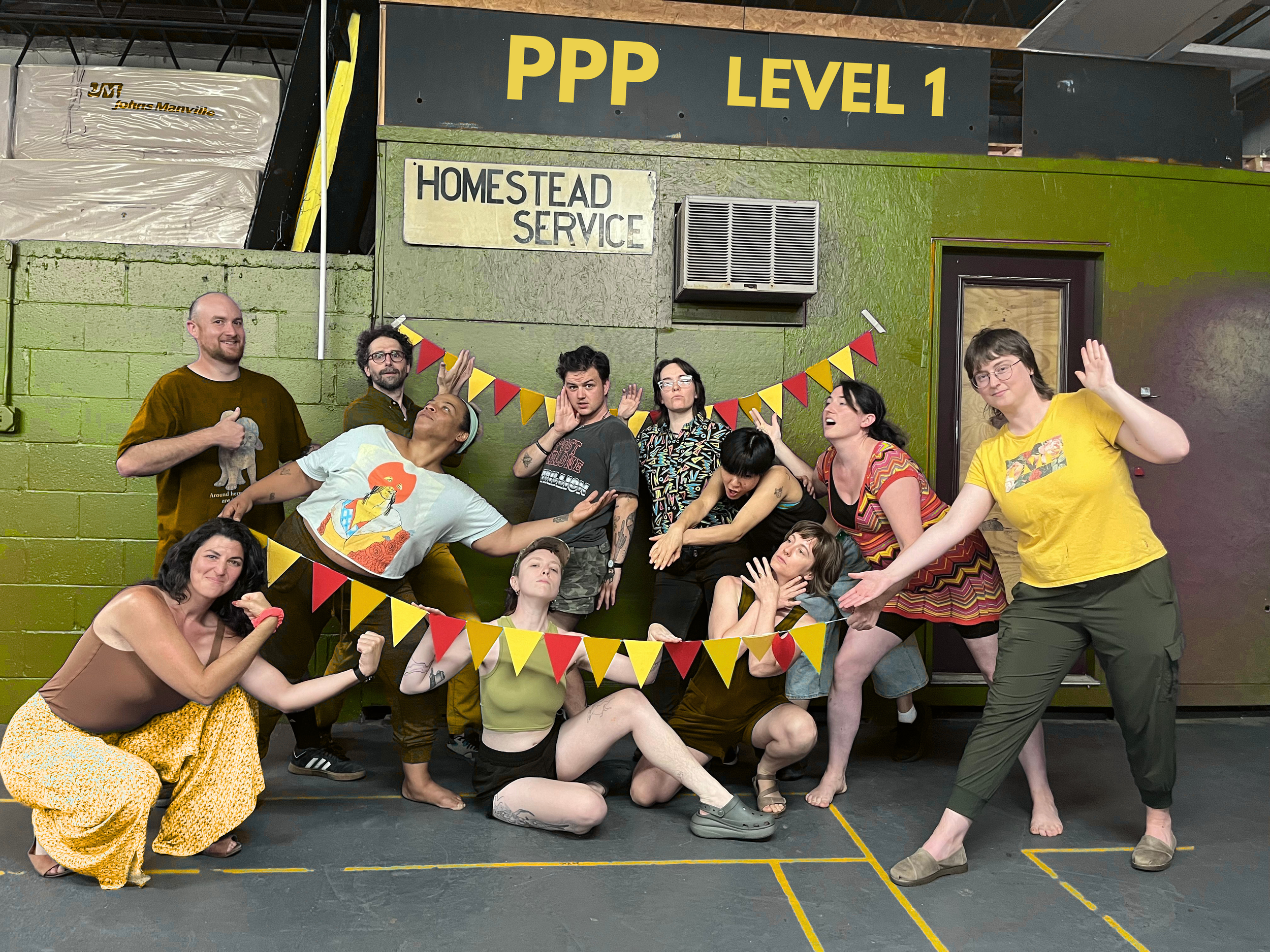
Play, Presence, and Performance Skills
(Level 1)
6 weeks
This is a Lecoq-based physical theater and clown class for performers, improvisers, movers, directors, and anyone who is interested in developing more awareness of how a body on stage can convey information. This class lays the groundwork for establishing a shared language for devising and developing original work together with collaborators.
Advanced Longform:
Close Quarters
8 weeks + class show
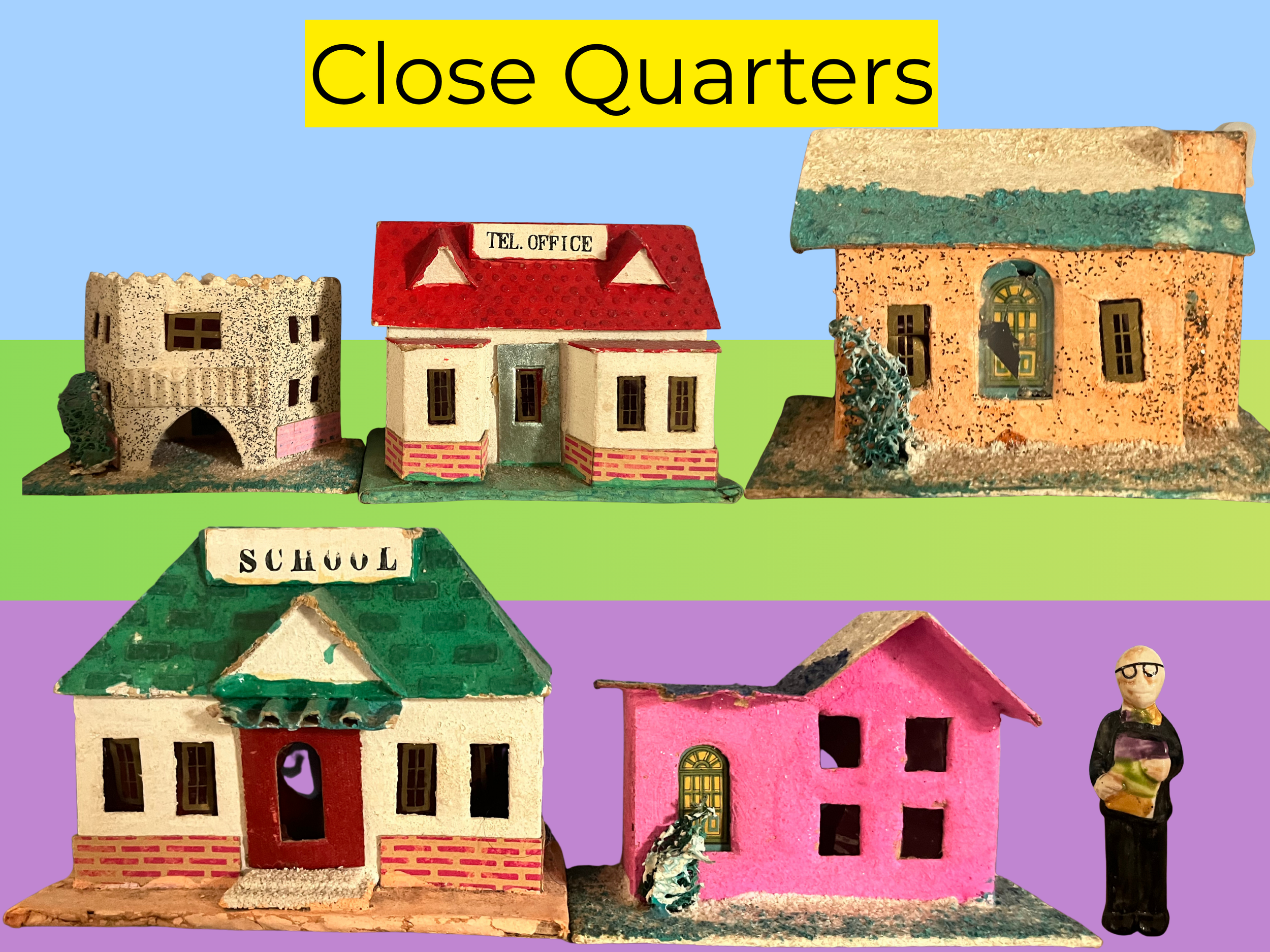
The Close Quarters is a form where all the scenes happen within the same timeframe and in adjacent locations. The goal of the class is to use the form to explore and strengthen essential long-form improv muscles, e.g. playing characters with clear points-of-view, establishing a detailed environment, strong side support (via sound effects and walk-ons), and weaving scenes together as the set progresses.

Slowprov
(Level 1)
4 weeks + class show
Do you want to give your improv nervous system a break from bracing for a sudden walk-on or tag that heightens everything to crazytown? Or do you want to challenge yourself to sit in a scene for longer, knowing that no one is coming to whisk you away? This class focuses on patient, relationship-based two-person scenes.
Playing with Status
A one-time improv workshop
Do your characters get stuck trying to be right in scenes? Or do you tend to let your characters get bossed around? In this workshop, you'll practice taking on different status behaviors and adopting different levels of status in a scene: status relative to the other character, relative to the space, and relative to the situation. Using status as a tool can help you unlock a way of orienting yourself to the scene and the relationship between the characters, allowing you to find new characters and new freedom of play.

Play, Presence, and Performance Skills
(Level 2)
6 weeks
This class builds on the Level 1 PPP class. We dive deeper into exploring neutrality, music, rhythm and timing, and further establishing complicity with self, scene partners, and the audience.
New Choices
A one-time improv Workshop
Are you tired of trotting out the same characters into scenes, or coming into scenes with nothing except maybe a clever idea or well-honed premise? In this workshop, you'll do a lot of 2-person scenes, and for each scene, I'll assign one or both players a physicality, emotion, vocal quality, catchphrase, mannerism, etc. You'll get a lot of reps practicing bringing a seed of a point-of-view into a scene and seeing how it inspires a full character and affects the discovery of the scene.

Slowprov
(Level 2)
6 weeks + class show
This class is for people who have taken the 4-week Slowprov class. We pick up where we left off, using the Triangle of the Scene, and tactics like history/philosophy/metaphor to develop dynamic, compelling, and funny two-person scenes. The goal of each scene: you know what each character's deal is and you can savor creating a rich and alive world, making space for discoveries, reveals, and surprising shifts.